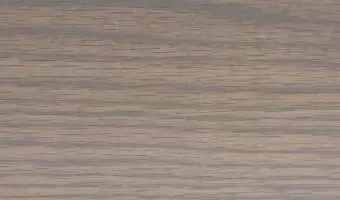
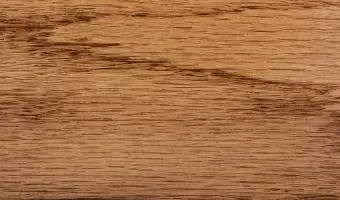
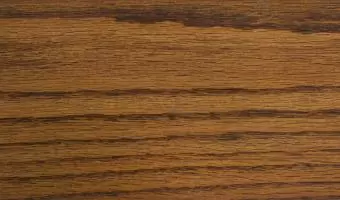
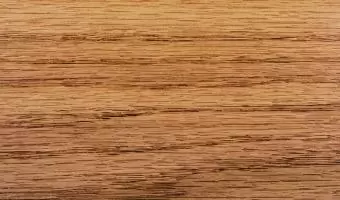
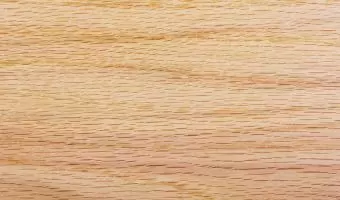
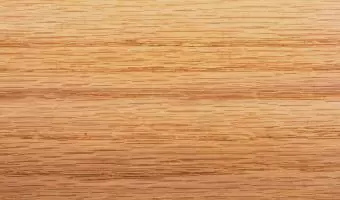
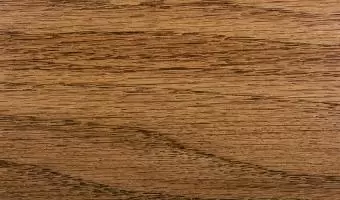
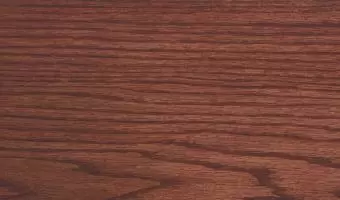
Every custom dining table we build at Taitlin Studio starts with carefully selected hardwood and a commercial-grade finish. Below you’ll find the wood species, stain options, epoxy choices, and protective coatings we use for our solid wood dining tables in Alberta.
Wood Species
All of our dining tables are built from solid hardwood.
No veneers. No engineered cores. No shortcuts.
There isn’t a “best” species. Each one is durable for daily use. There isn’t a “best” species. The right choice comes down to the look you are drawn to, how it looks in your home and how you want the table to age.
That’s what actually matters.
If you’re deciding between walnut, white oak, cherry, maple, or red oak, here’s how each one looks, ages, and fits different styles and spaces.
Walnut
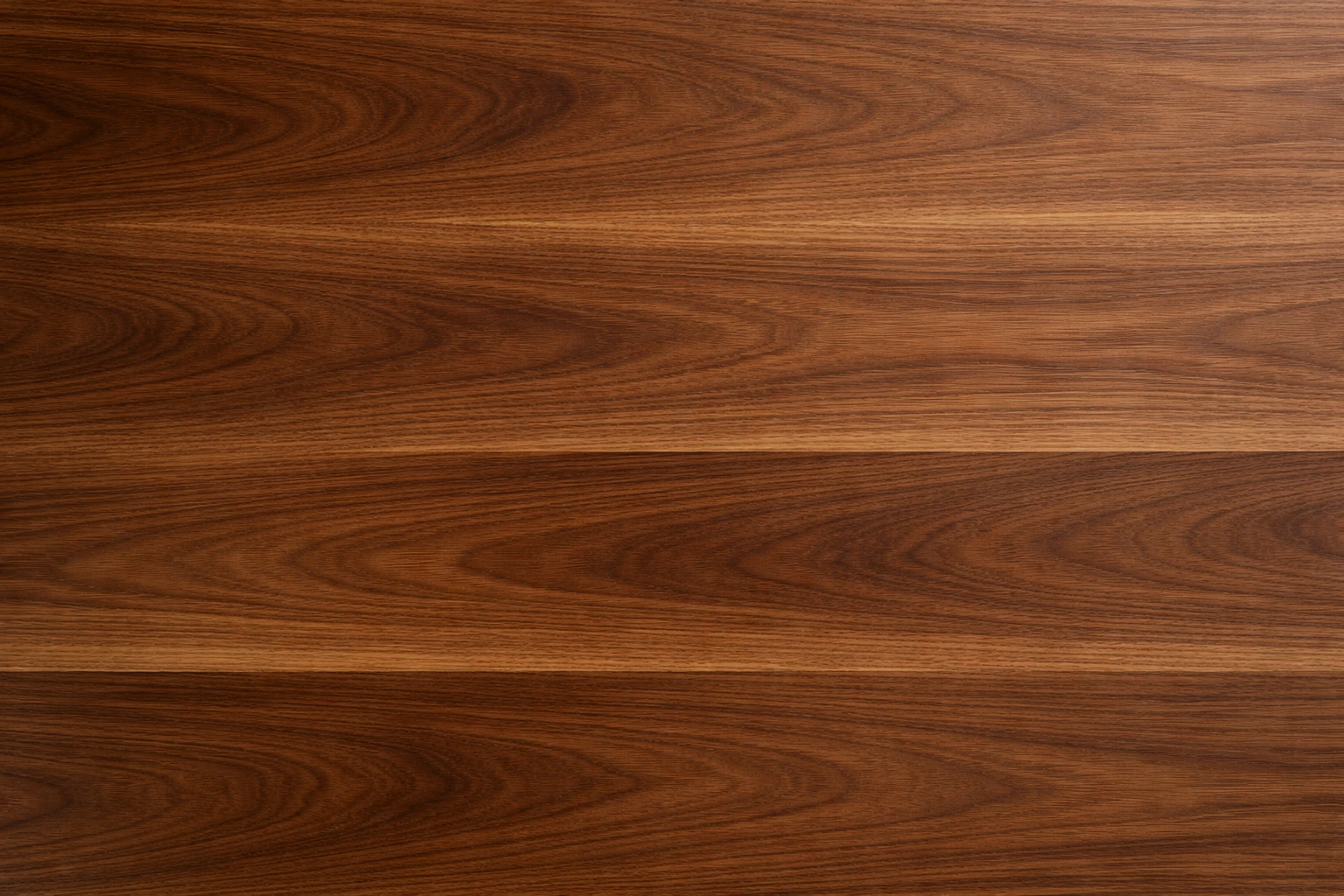
Walnut is a rich brown that naturally carries variation within each board. Some sections lean toward deep chocolate, while others shift lighter with subtle streaks running through the grain. Over time, walnut lightens overall becoming more uniform. The change is gradual and natural.
The grain has movement — gentle curves and flowing lines — without feeling busy or high contrast. It reads smooth and refined rather than bold or rustic.
Best for: modern, warm interiors, and clients who want depth without high contrast.
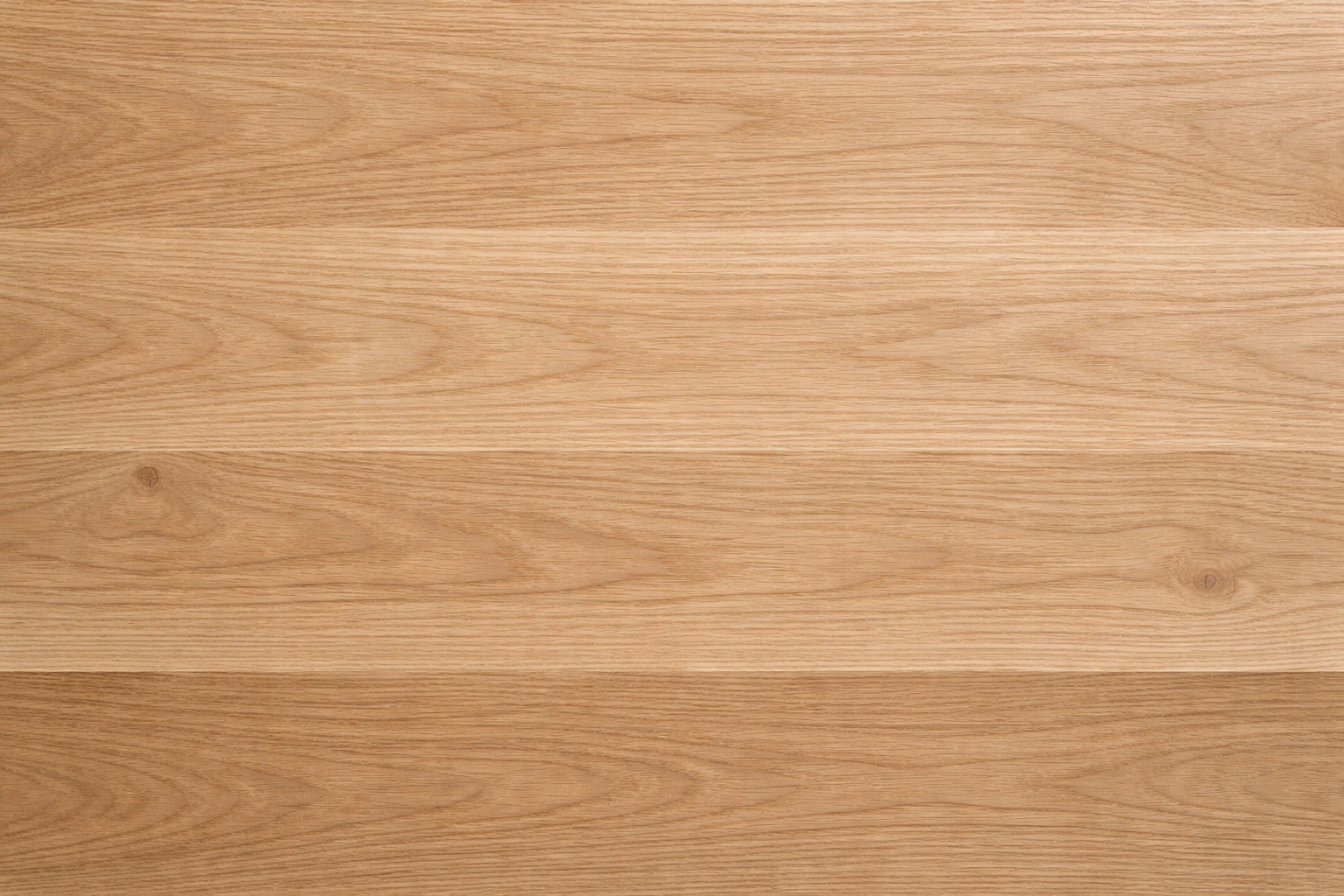
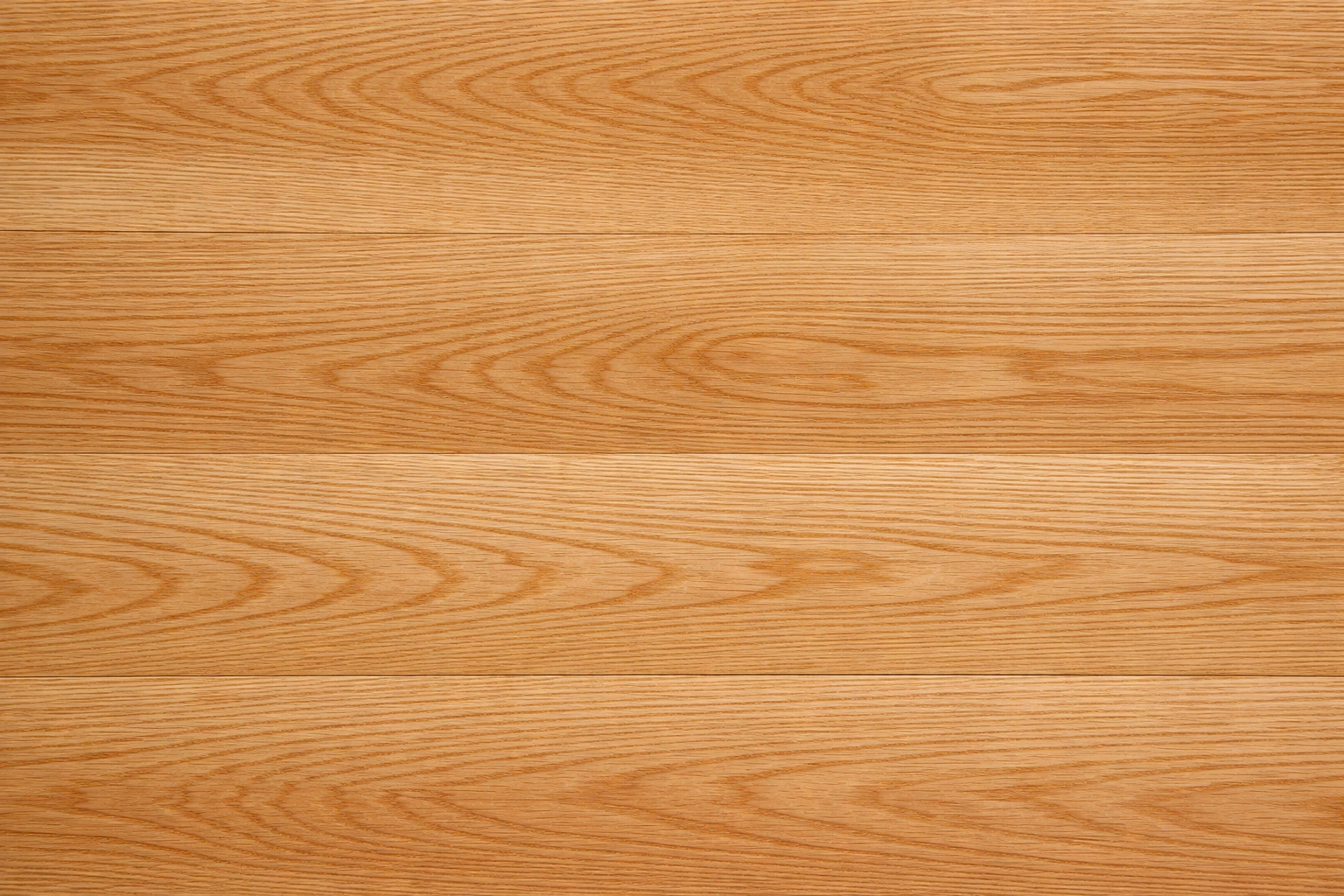
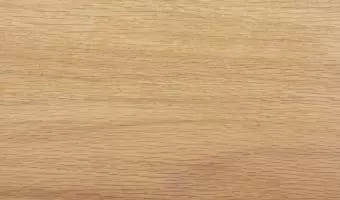
White oak ranges from light brown to tan with soft earthy undertones. Depending on how the boards are cut, you may see long straight grain lines or wider cathedral-shaped patterns.
The grain is clearly visible across the surface. It has structure and definition without looking rough. You can see the natural texture of the wood, especially in larger panels where the pattern has room to show itself.
White oak responds well to stain if you want to adjust the tone on your Solid Wood Dining Table, but left natural it holds its colour well.
Best for: neutral homes, Scandinavian design, and spaces with natural light.
Cherry
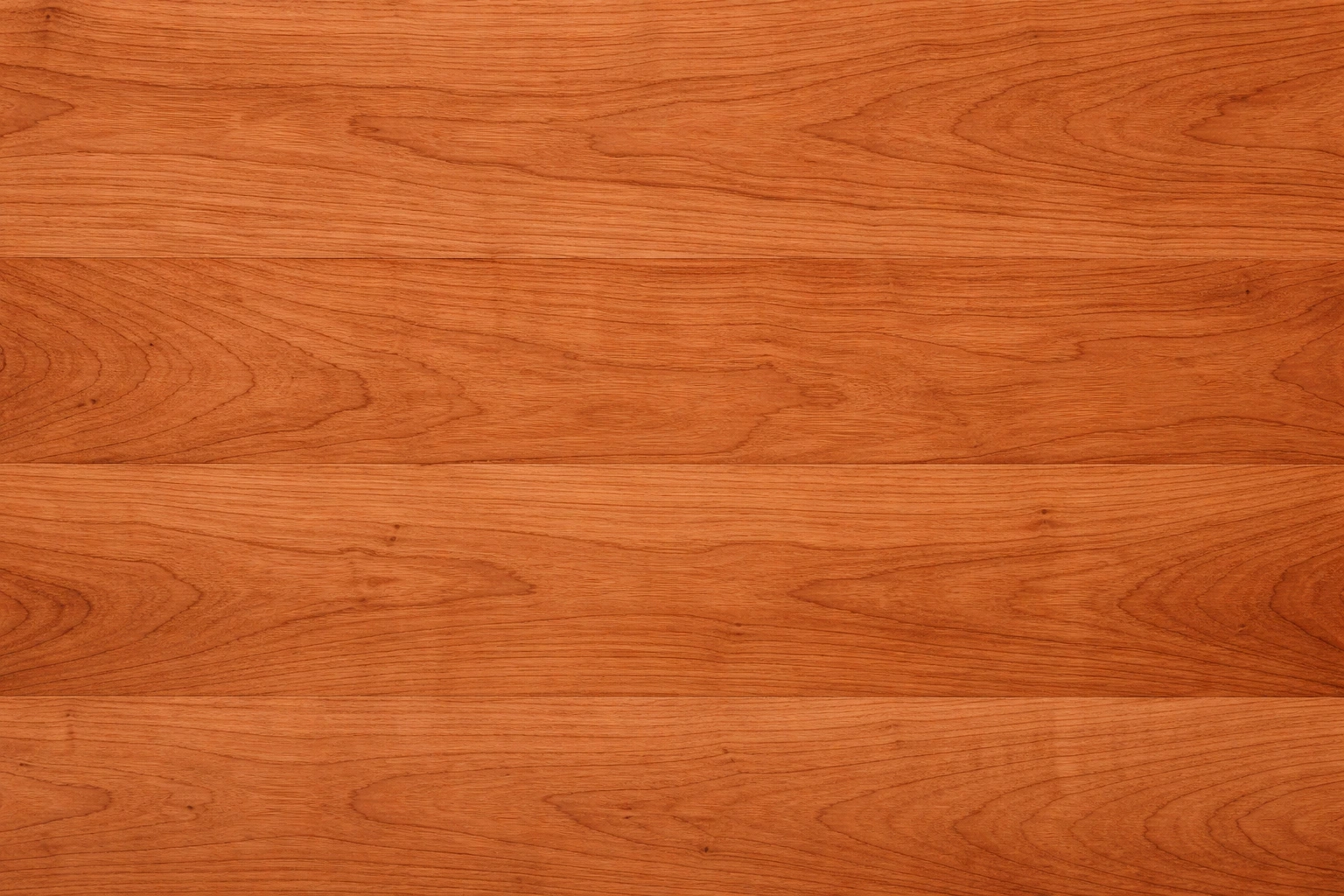
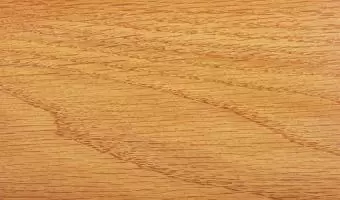
Cherry begins as a warm medium brown with a soft reddish tone. The surface has a smooth, elegant grain pattern that flows without sharp contrast.
When exposed to light, cherry darkens. The colour deepens gradually, becoming richer and more saturated over the years. Areas that receive more sunlight may shift faster at first, then even out over time.
That natural darkening is part of cherry’s character. The surface develops a deeper tone while maintaining the same smooth grain pattern it started with.
Best for: traditional spaces or homeowners who appreciate natural aging and warmth.
Maple
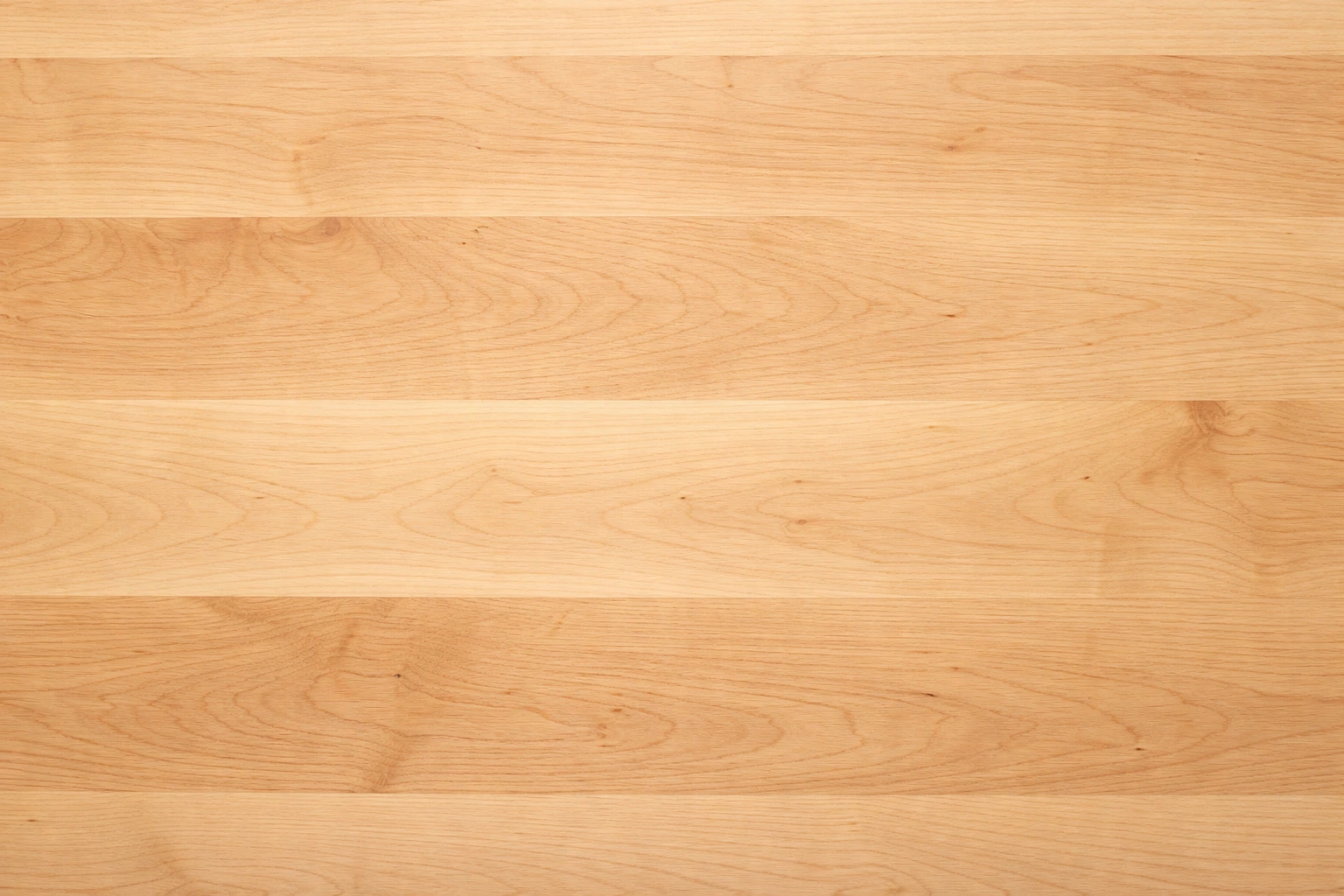
Maple is pale and creamy, often with a soft golden cast. It’s one of the lightest hardwoods we use on our dining tables, and it reflects natural light easily.
The grain is fine and subtle. Instead of bold lines, you’ll see gentle shifts and faint streaking. From across the room, maple can appear almost uniform, which gives it a clean, smooth look.
Because the grain is quieter, the overall surface feels calm and simple. Over time, maple warms slightly but remains light in colour. It doesn’t darken dramatically.
Best for: lighter interiors and clean, minimal aesthetics.
Red Oak
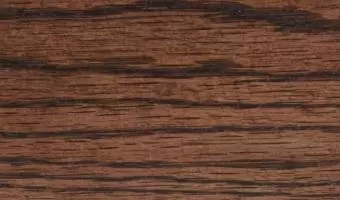
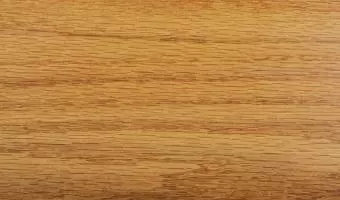
Red oak is medium brown with a visible, open grain. The grain lines are more pronounced and textured than the other species. You can clearly see the structure of the wood across the entire surface.
It carries a warm undertone that can lean slightly pink in its natural state. Stain can shift the colour warmer, deeper, or more neutral, but the grain pattern remains strong and noticeable.
Red oak shows the character of the wood clearly. The pattern is distinct, and the texture is easy to see from across the room.
Best for: bold grain lovers and classic wood character.
Stain Colours
We use Old Masters stains when a project calls for it.
Stain shifts the tone of the wood while keeping the grain visible. It doesn’t hide character. It settles into the grain and changes the overall colour.
White oak and red oak take stain evenly and predictably. Maple and cherry can show a bit more variation because of their tighter grain, so we always test first. You’ll see the actual colour on the actual wood before anything is finalized.
Walnut is usually kept close to its natural tone. Because walnut lightens over time, we often apply a walnut-toned stain to help retain its richness long term. It’s subtle — it holds the depth rather than dramatically changing the colour.
Stain can deepen a wood, warm it up, soften undertones, or help it sit well with flooring or cabinetry. What it won’t do is change the grain pattern or make one species look like another.
The goal is simple: adjust the tone so the table feels intentional in your home — not just added to it.
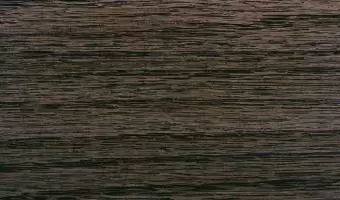
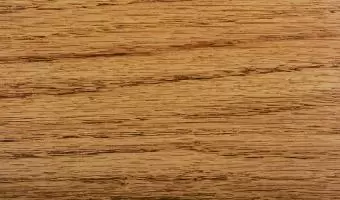
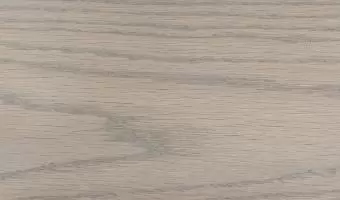
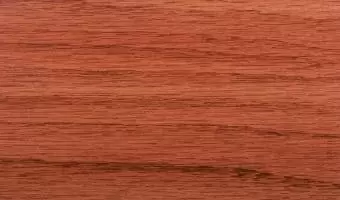
These are reference tones. Final colour is always tested on your selected wood before finishing.
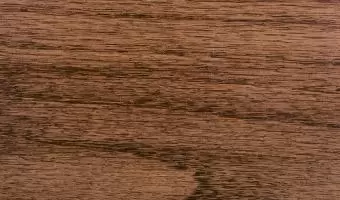
American Walnut
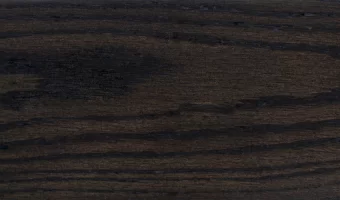
Carbon Black
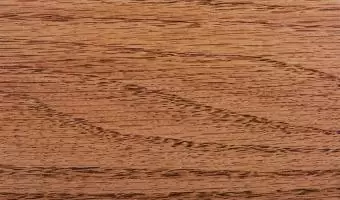
Cedar
Aged Oak
Dark Mahogany
Dark Walnut
Early American
Espresso
Fruitwood
Golden Oak
Maple
Natural Tint
Pecan
Picking White
Provincial
Red Mahogany
Spanish Oak
Special Walnut
Weathered Wood
Cherry
Epoxy River & Resin Details
We use EcoPoxy epoxy resin for river tables and for filling natural cracks in solid wood dining tables. It becomes part of the table — level with the surface and fully integrated once finished.
Epoxy can be clear, lightly tinted, solid in colour, or metallic. It can sit quietly and simply stabilize natural openings, or it can create a defined river that becomes a visual feature. Metallic pigments have movement and depth, while solid colours feel more consistent. Clear epoxy keeps the live edges and natural shape of the wood visible.
Once cured and finished, the surface is smooth and durable. It holds up to daily use and cleans like the rest of the table.
Before anything is poured, we review colour options together and sample when needed. The goal is to use epoxy intentionally — whether that means subtle and understated or bold and central to the design.
See how epoxy integrates with walnut and live edge slabs on our Epoxy Dining Tables page.
Epoxy Pigments
EcoPoxy offers a wide range of pigments and dyes. With dozens of pigment and dye options available, the key isn’t seeing every colour — it’s choosing the one that complements your wood and space.
Some clients prefer clear or lightly tinted epoxy that lets the wood lead. Others choose solid or metallic colours that create contrast and movement.
When we’re designing your table, we’ll review colour options together and narrow it down to what fits your space and the wood you’ve chosen.
All of our tables are sealed with a commercial-grade matte lacquer. It’s the same category of finish used in high-end cabinetry, restaurants, and millwork — designed for real daily use.
It protects the surface from normal daily use — food, drinks, spills, heat from plates, and regular cleaning. It’s the same type of finish used in high-end cabinetry and millwork.
The sheen is matte — never glossy or plastic-looking. The wood still looks like wood. You can see the grain clearly without glare or reflection. The finish protects the surface without making it feel thick or plastic. It wipes clean easily and doesn’t require special maintenance products.
Over time, the finish can show signs of real use — that’s normal for any dining table — but it’s repairable if needed. The goal is protection without changing the natural look of the wood on your dining table.
Ready to Design Your Dining Table?
You don’t need to decide everything on your own.
Even if you only know the feeling you want the room to have, we’ll guide the rest. We’ll look at wood samples, stain options if needed, and walk through what makes sense for your space.
If you’re ready to start that conversation, reach out and tell us about your home, your size requirements, and what you’re drawn to.
Many clients come in with only room dimensions or inspiration photos. Our process is designed to guide you through layout, scale, wood selection, and finish decisions so you can move forward with confidence.